
Updated: Updated on: 2025-12-16
- Key Benefits of a Stainless Steel Water Bottle Insulated
- Step-by-Step Buying and Care Guide
- Step 1: Choose the right capacity
- Step 2: Check materials and build
- Step 3: Assess insulation performance
- Step 4: Select lids and spouts
- Step 5: Evaluate weight and ergonomics
- Step 6: Plan care and cleaning
- Step 7: Practice responsible usage
- Frequently Asked Questions
- How long can it keep drinks hot or cold?
- Is it safe for hot or acidic drinks?
- Will the bottle sweat or create condensation?
- Stainless steel vs. plastic or glass?
- Summary
- About the Author
- Venucases Editorial Team
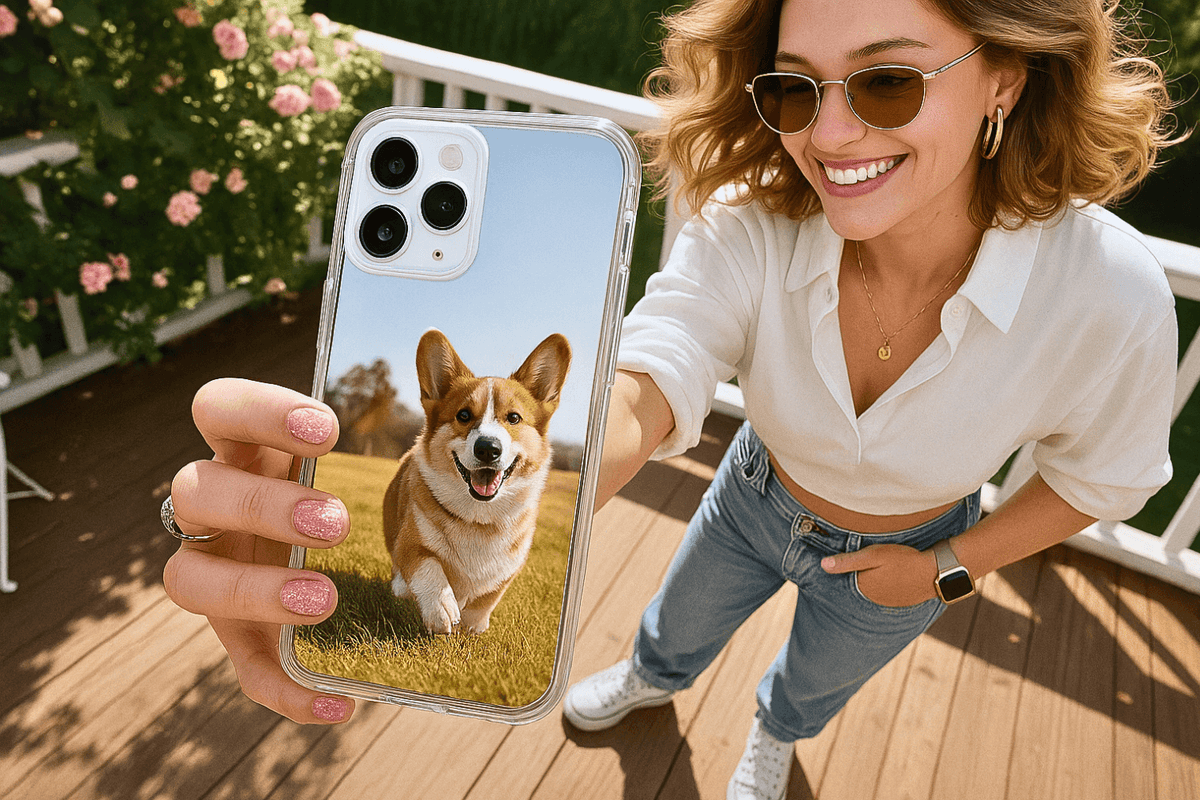
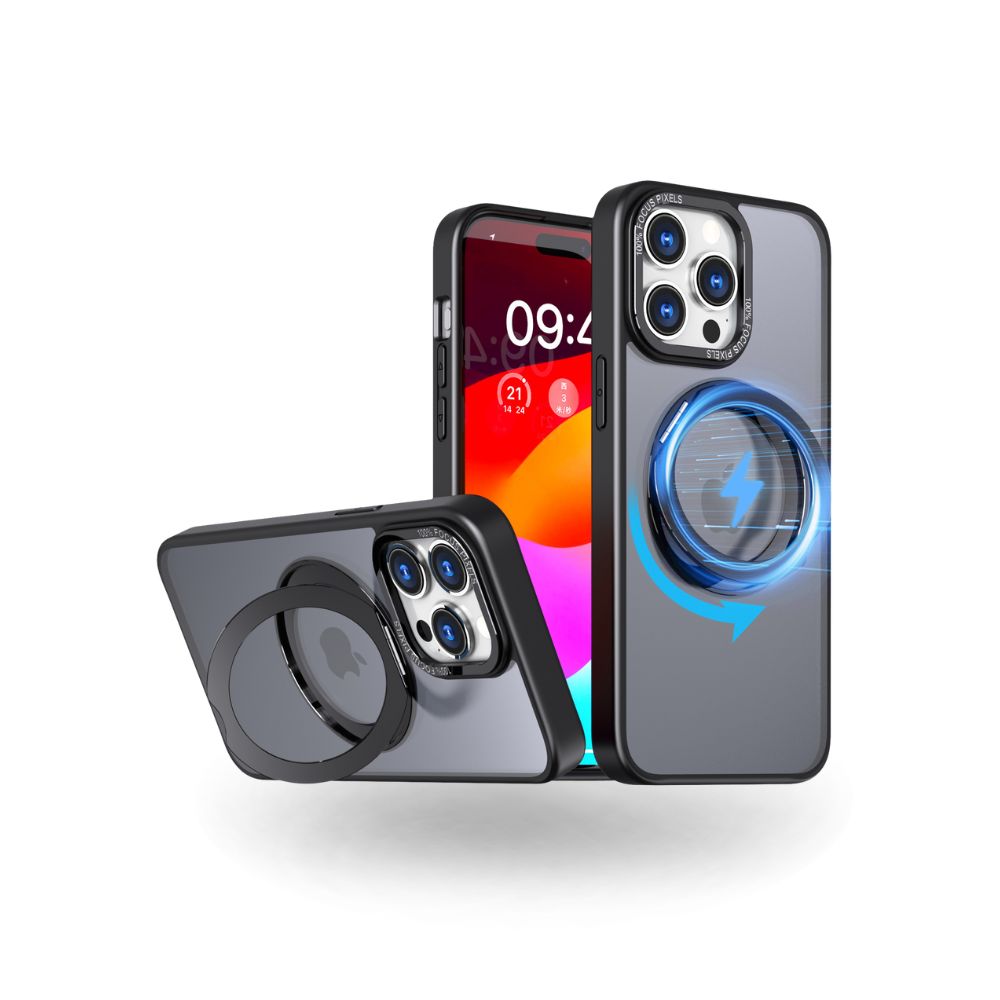
Choosing a high-performance insulated bottle is a practical way to elevate daily hydration, reduce waste, and streamline your routine from desk to trail. Vacuum-insulated steel designs keep beverages at a stable temperature while resisting dents and retaining a neutral taste. The result is a reliable companion for commutes, training, travel, and home use. In this guide, you will learn how insulation works, what separates premium materials from cheaper builds, and how to pair lids, capacities, and finishes to your lifestyle. If you also care about protecting your tech on the go, explore slim MagSafe cases for secure pocket carry, hands-free crossbody cases for active days, a personalized custom photo case to match your bottle’s style, or durable everyday cases for reliable protection.
Key Benefits of a Stainless Steel Water Bottle Insulated
- Consistent temperature control: Vacuum double-wall construction reduces heat transfer, which helps keep cold drinks cold and hot drinks hot across varied environments.
- Durability for real-life use: Quality bottles use 18/8 (304) stainless steel and robust powder-coat finishes that resist scratches and minor impacts.
- Taste integrity: Electropolished interiors minimize lingering flavors and odors, so today’s tea will not compromise tomorrow’s water.
- Condensation-free exterior: The vacuum gap prevents surface moisture buildup, keeping bags and desks dry, even with iced beverages.
- Leak resistance: Properly engineered gaskets and threads limit spills during commutes and workouts when paired with a suitable lid.
- Safe and reusable: Food-grade steel and BPA-free components promote repeat use, cutting down on single-use plastic bottles.
- Versatility: Interchangeable lids, straw caps, and chug spouts adapt one bottle to office hydration, gym sessions, or weekend hikes.
- Long-term value: A well-made insulated flask can serve for years, protecting your investment and your routine.
Step-by-Step Buying and Care Guide
Step 1: Choose the right capacity
Select a volume that matches your day. Desk and commuting use often fits 12–16 oz for compact carry and lighter bags. Active training and long errands benefit from 20–24 oz for fewer refills without excess weight. Hikes or all-day events may call for 32 oz or more. Consider holder fit as well: many car cup holders suit narrower bottles, while bike cages favor mid-size diameters. If you carry electronics, choose a size that fits alongside essentials without crowding.
Step 2: Check materials and build
Look for 18/8 (304) stainless steel for the body and an electropolished interior that resists pitting and flavor transfer. Exterior powder coating improves grip and durability. Seam quality matters; examine the base and shoulder for smooth, consistent welding. Food-grade silicone gaskets should seat evenly and remove easily for cleaning. Transparent material claims and clear care instructions signal manufacturer confidence and help you maintain performance.
Step 3: Assess insulation performance
Confirm genuine double-wall vacuum construction and tight lid tolerances. A stainless steel water bottle insulated with a secure seal reduces convective and conductive heat movement, preserving temperature across varied conditions. Thin lids or uninsulated caps can become the weak point; pick a design with a substantial cap or a straw system engineered to limit heat exchange. When possible, test with ice or hot water to gauge exterior warmth and lid integrity.
Step 4: Select lids and spouts
Match your lid to your activity. A chug or wide-mouth cap allows fast flow during workouts. Straw lids keep sipping controlled while driving or walking. Hot beverages favor leak-resistant, lockable caps that regulate flow to avoid spills. Prioritize lids that disassemble for cleaning and use replaceable gaskets. If you switch beverages frequently, maintain separate lids to prevent flavor carryover and reduce deep-clean frequency.
Step 5: Evaluate weight and ergonomics
Balance capacity against carry comfort. Heavier, larger bottles can cause fatigue over long days. Check grip texture, handle design, and whether the bottle fits your bag or holder. A rounded shoulder and tapered base help with in-hand stability and cup-holder compatibility. For multitaskers, pairing streamlined phone protection such as MagSafe cases with a bottle loop or carabiner can improve mobility and quick access.
Step 6: Plan care and cleaning
Rinse daily and deep-clean weekly. Use a soft bottle brush, mild dish soap, and warm water. Avoid bleach, chlorine, or abrasive pads that can damage finishes and gaskets. If odors persist, use a brief soak with baking soda and warm water, then rinse thoroughly. Confirm whether your specific bottle or lid is dishwasher safe; many lids and straws benefit from top-rack cleaning, while decorated exteriors perform better with handwashing.
Step 7: Practice responsible usage
Pre-chill or pre-heat for best results: add a bit of ice or hot water, swirl, and empty before filling. Leave headspace when adding ice to avoid lid stress. Use caution with carbonated beverages; pressure can build and affect seals. For hot drinks, ensure the spout allows controlled sipping. Store with the lid off when not in use to let interiors air out. Replace worn gaskets promptly to maintain leak resistance and hygiene.
Frequently Asked Questions
How long can an insulated bottle keep beverages hot or cold?
Performance depends on wall thickness, lid design, fill temperature, and ambient conditions. A well-constructed vacuum bottle with a tight, insulated cap preserves temperature far longer than single-wall or poorly sealed designs. Pre-conditioning (pre-chilling or pre-heating) improves results, and minimizing frequent lid opening helps maintain stability throughout the day.
Is stainless steel safe for hot or acidic drinks?
Food-grade stainless steel is compatible with hot liquids and most acidic beverages such as coffee, tea, and diluted fruit drinks. Avoid harsh chemicals, bleach, or extended storage of highly saline or abrasive mixtures. After carrying acidic drinks, rinse promptly and dry with the lid removed to protect finishes and gaskets.
Will the bottle sweat or create condensation on the outside?
Vacuum insulation prevents external condensation because it blocks heat transfer that would otherwise cause moisture to form on the outer wall. If you notice moisture, check for lid leakage or spills. Surface water typically indicates a seal issue rather than failed insulation.
Is stainless steel better than plastic or glass?
Each material has strengths. Stainless steel offers robust impact resistance, consistent temperature control with vacuum insulation, and a neutral taste when electropolished. High-quality plastics are light but can retain flavors over time. Glass is taste-neutral and recyclable but fragile and less practical for active use. For versatility and durability, insulated steel is often the most balanced choice.
Summary
An insulated metal bottle is a reliable upgrade for everyday hydration. Focus on food-grade materials, proven vacuum construction, and a lid that matches your routine. Choose a capacity that fits your carry and prioritize easy-to-clean components with replaceable gaskets. With simple care and responsible use, your bottle will deliver clean taste, steady temperature control, and years of dependable service. For streamlined carry alongside your bottle, consider sleek protection such as everyday cases or hands-free crossbody cases.
About the Author
Venucases Editorial Team
Venucases researches everyday carry and protection solutions to help readers make practical, durable choices for busy lives. Our team tests accessories, evaluates materials, and translates technical details into clear, actionable guidance. Thank you for reading, and stay equipped for whatever your day brings.
The content in this blog post is intended for general information purposes only. It should not be considered as professional, medical, or legal advice. For specific guidance related to your situation, please consult a qualified professional. The store does not assume responsibility for any decisions made based on this information.
0 comments