

Updated on: 2025-12-23
This guide explains how to choose, use, and care for reusable silicone food storage bags to reduce waste and simplify meal prep. You will learn how to size, seal, label, store, and clean them for safe, reliable performance. It also answers common questions about heat use, longevity, and the difference from disposable plastics. Follow the steps to build a durable, space-saving system that fits your kitchen and lifestyle.
Table of Contents
- Introduction
- How-To Guide: Reusable Silicone Food Storage Bags
- Common Questions Answered
- Summary & Next Steps
- About the Author
Food storage affects freshness, flavor, and waste in every kitchen. Durable silicone pouches offer an efficient way to store ingredients and leftovers without single-use plastics. They are flexible, airtight when sealed correctly, and designed to be used again and again. With a few simple habits, you can standardize your pantry and refrigerator, protect food quality, and streamline cleanup. This article provides a clear process you can follow today, plus direct answers to the questions most people ask before switching.
How-To Guide: Reusable Silicone Food Storage Bags
Step 1. Choose the right size
Match bag size to the food you store most. Use small pouches for snacks, herbs, and portions under one cup. Choose medium sizes for cut fruit, sliced vegetables, or single servings. Select large bags for meal prep, marinating, or batch-cooked grains. A mix of sizes reduces air pockets and saves shelf space. If you freeze soups or sauces, consider flat-bottom options to stack neatly.
Step 2. Label and plan
Consistent labeling prevents confusion and waste. Use a fine-tip, removable marker on a clean, dry surface. Note the item, quantity, and the date you stored it. Create a simple rotation plan: new items go to the back; older items move forward. This first-in, first-out method keeps freshness high and reduces spoilage. Keep a brief inventory list on your fridge to track what is ready to use.
Step 3. Fill and seal correctly
For best results, avoid overfilling. Leave a small gap at the top to form a tight seal. Press out excess air before sealing to limit frost in the freezer and preserve aroma. Ensure zipper tracks are clean and aligned; then press firmly along the closure. For liquids, support the bag upright in a bowl while filling. If your pouch includes a slider or clip, position it fully closed to maintain an airtight lock.
Step 4. Store for freshness
Refrigerate ready-to-eat items and cut produce promptly. For freezing, lay bags flat to freeze thin layers; this speeds thawing and improves stacking. Keep protein separate from produce to prevent cross-contact. If you meal prep, assign a shelf zone for cooked items and another for raw ingredients. In the pantry, store dry goods away from heat sources and direct sunlight to protect flavor.
Step 5. Clean with care
Rinse soon after use to prevent stains and odors from setting. Use warm water and mild dish soap. Turn bags inside out and scrub seams gently with a soft brush. For stubborn aromas, soak with a mixture of warm water and baking soda, then rinse well. Let bags air-dry fully, propped open on a rack. Store them flattened or upright with spacers to maintain shape.
Step 6. Maintain and organize
Inspect closures and seams during drying. If residue accumulates, clean the zipper track with a soft brush. Group bags by size in a drawer or upright container. Keep a few clean extras near your cutting board for quick prep. For hands-free recipe access while cooking, consider protecting your phone with durable crossbody cases, which keeps it accessible and away from spills.
Common Questions Answered
Are silicone bags safe for heat?
Most silicone storage pouches are suitable for common kitchen temperatures, including refrigeration and freezing. Many can handle gentle reheating, such as a warm water bath or low microwave settings, provided the seal is open to vent steam. Always check the manufacturer’s care directions and avoid direct contact with open flames or broilers. Use moderate temperatures and short intervals, then assess the result before increasing time.
How long do they last?
Longevity depends on care, frequency of use, and the quality of materials. With routine cleaning and proper storage, high-quality silicone pouches can maintain their performance for an extended period. Avoid sharp tools that can cut the surface or stress the seams. Keep them away from harsh cleaners that can degrade silicone over time. Inspect closures regularly to ensure they remain tight and effective.
How do they compare to disposable plastics?
Silicone pouches are sturdy, flexible, and designed for many cycles of use. They help reduce the need for single-use bags and can simplify storage by stacking neatly in the fridge or freezer. While the upfront cost is higher than disposable plastics, repeated use often offsets the investment over time. The result is a more consistent storage system, less kitchen waste, and fewer restocks.
Summary & Next Steps
When used correctly, these bags streamline prep, protect flavor, and help reduce single-use waste. Start with a few sizes that match your weekly routine. Label, seal, and store with a simple plan so items are easy to find and use. Clean promptly, air-dry fully, and maintain zipper tracks for reliable performance.
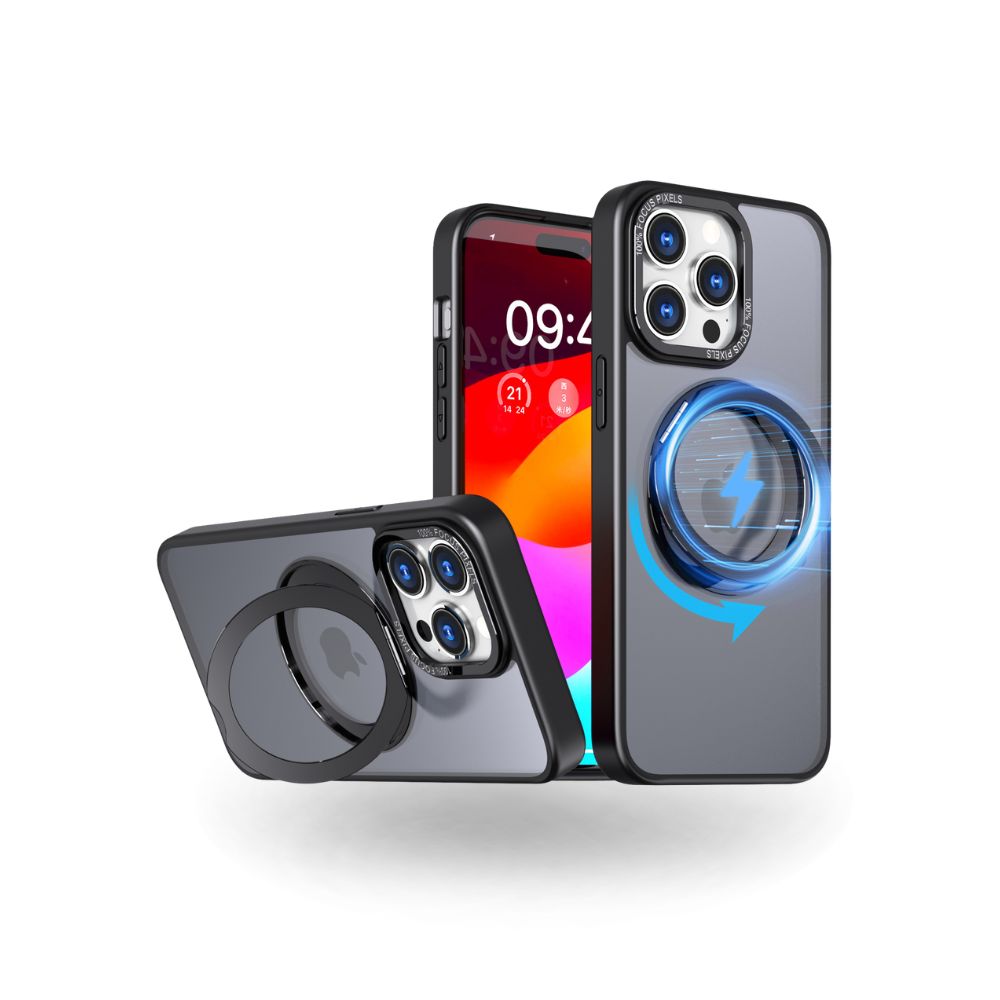
For a tidy cooking workflow, keep your phone secure and visible while following recipes. Explore MagSafe cases for stable, magnetic mounting in the kitchen. If you prefer a personalized aesthetic that matches your organized space, consider a custom silicone iPhone case. For everyday durability, browse the Good Vibes Only collection. To see everything in one place, view our full catalog at All products.
As you refine your setup, plan a short test week. Track what you store most, how often you reuse each bag, and where organization can improve. With a few adjustments, reusable silicone food storage bags can become a core part of your kitchen system.
About the Author
Venucases researches and writes about practical, durable everyday accessories that support organized living. Our editorial team focuses on materials, usability, and simple systems that help you get more from what you already own. We aim to share clear, testable steps, not trends. Thank you for reading.
The content in this blog post is intended for general information purposes only. It should not be considered as professional, medical, or legal advice. For specific guidance related to your situation, please consult a qualified professional. The store does not assume responsibility for any decisions made based on this information.
0 comments